
Your home’s crawl space is easy to forget about—until something goes wrong. Most homeowners never venture under their home, and that’s exactly why crawl space moisture problems tend to spiral quietly out of control. By the time the damage becomes visible upstairs—warped floors, musty odors, sagging insulation—the structural harm has often been building for months, sometimes years.
The good news? Crawl space waterproofing addresses moisture at the source, protecting everything above it before problems get the chance to take hold.
Why Crawl Space Moisture Is More Serious Than It Looks
Moisture in a crawl space doesn’t just sit there. It migrates upward through a process called the “stack effect,” where air moves from the lowest point of a home to the highest. That means the damp, humid air sitting beneath your floorboards eventually makes its way into your living spaces.
What follows is a cascade of damage: wood rot in floor joists and beams, mold growth on structural components, and a steady decline in indoor air quality. According to the EPA, mold can begin developing within 24 to 48 hours of moisture exposure. In a crawl space—dark, still, and unmonitored—conditions for mold growth are often ideal year-round.
Beyond health concerns, unchecked moisture accelerates structural deterioration. Floor joists weaken, pier footings shift, and insulation loses its effectiveness. These are repairs that cost significantly more than waterproofing would have in the first place.
What Crawl Space Waterproofing Actually Involves
Crawl space waterproofing is not a single product or a single afternoon of work. It’s a system of protective measures designed to control moisture from multiple entry points—ground vapor, wall seepage, and condensation.
Vapor Barriers
A heavy-duty vapor barrier is typically the foundation of any waterproofing system. Installed across the ground and sealed against the walls, it blocks ground moisture from evaporating into the crawl space air. Standard plastic sheeting isn’t enough—professional-grade barriers are thicker, puncture-resistant, and properly sealed at seams and penetrations.
Drainage Systems
When water enters a crawl space through wall cracks or during heavy rain, it needs somewhere to go. Interior drainage channels collect water along the perimeter and direct it toward a sump pump, which removes it from the space entirely. This is especially important in areas with high groundwater levels or clay-heavy soil that holds moisture close to the foundation.
Encapsulation
Full crawl space encapsulation takes waterproofing a step further by sealing the entire crawl space—floor, walls, and sometimes ceiling—with a continuous vapor barrier. The result is a controlled environment that dramatically reduces humidity, deters pests, and improves the efficiency of HVAC systems by keeping conditioned air from escaping into a damp void.
Dehumidification
Even after encapsulation, some moisture can enter through air infiltration. A crawl space dehumidifier maintains safe humidity levels and prevents condensation from forming on cool surfaces. Many systems are designed to drain automatically, requiring minimal maintenance.
The Real Benefits Homeowners Experience
Crawl space waterproofing done correctly by experienced professionals protects your home’s structural integrity, improves indoor air quality, and can meaningfully lower your energy bills by creating a more controlled thermal boundary beneath your living space.
These aren’t abstract promises. Homeowners who invest in waterproofing often notice results quickly—a reduction in musty smells, floors that feel firmer underfoot, and HVAC systems that don’t have to work as hard to maintain comfortable temperatures. In humid climates, the difference can be dramatic.
There’s also a financial argument to be made. Homes with waterproofed, encapsulated crawl spaces tend to appraise higher and sell faster. Buyers and home inspectors both respond favorably to evidence that the crawl space has been properly managed.
Why Professional Installation Makes the Difference
DIY solutions—spray foam, store-bought plastic sheeting, store-brand dehumidifiers—often fall short because crawl space waterproofing requires a systems-level approach. A vapor barrier that isn’t properly sealed at seams and penetrations allows moisture through the gaps. A sump pump without a proper drainage channel doesn’t collect the water it needs to remove. Each component depends on the others.
Professionals assess the specific conditions of your crawl space: the soil type, the existing moisture levels, the degree of any existing damage, and the likely sources of water intrusion. That assessment shapes a solution that actually addresses your home’s unique vulnerabilities rather than applying a generic fix.
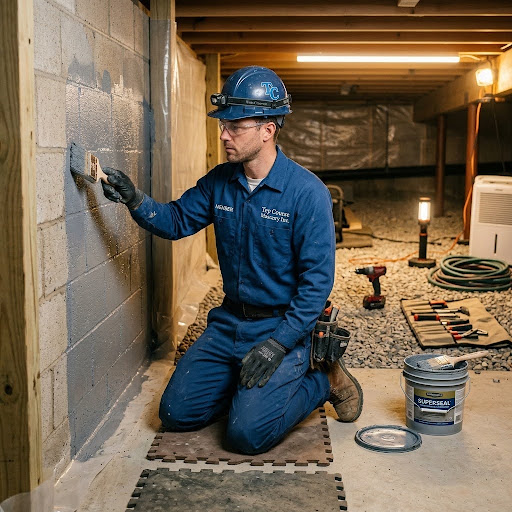
A trusted local masonry team brings that level of care and expertise to every crawl space waterproofing project. The crew evaluates conditions thoroughly, installs proven systems with precision, and stands behind the work with long-term results that homeowners can depend on.
What to Expect During a Crawl Space Waterproofing Project
The process begins with a thorough inspection of the crawl space—documenting moisture levels, identifying existing damage, and determining the best waterproofing approach. Most homeowners are surprised by what’s found on the first visit, not because problems are hidden, but because crawl spaces simply don’t get looked at often enough.
Once the scope of work is defined, installation typically involves clearing out any debris or damaged insulation, installing drainage systems if needed, laying and sealing the vapor barrier or encapsulation system, and setting up dehumidification. Depending on the size and condition of the crawl space, most projects are completed within one to two days.
The result is a clean, dry, protected crawl space that homeowners can actually inspect with confidence going forward.
Protecting Your Home Starts Beneath It
Homes are built from the ground up—and they need to be protected the same way. Crawl space waterproofing is one of the most impactful investments a homeowner can make, precisely because it targets the source of so many common and costly problems before they escalate.
If your crawl space hasn’t been inspected recently, now is the right time. Reach out to Top Course Masonry Inc to schedule a professional assessment and take the first step toward a drier, healthier, more structurally sound home.
Frequently Asked Questions
How do I know if my crawl space needs waterproofing?
Common warning signs include musty odors in your home, visible mold or efflorescence on crawl space walls, condensation on pipes, soft or bouncy floors, and elevated humidity levels indoors. A professional inspection can confirm whether moisture is present and at what severity.
Is crawl space waterproofing the same as encapsulation?
Encapsulation is one method within the broader category of crawl space waterproofing. Waterproofing may include drainage systems, vapor barriers, and sump pumps, while encapsulation specifically refers to sealing the entire crawl space with a continuous liner. Many projects incorporate both.
How long does a crawl space waterproofing system last?
When professionally installed, a high-quality vapor barrier or encapsulation system can last 20 years or more. Drainage systems and sump pumps typically require periodic maintenance but are built for long-term use. Regular inspections help ensure the system continues performing as intended.
Will waterproofing my crawl space improve my home’s energy efficiency?
Yes. A properly waterproofed or encapsulated crawl space reduces the amount of unconditioned, humid air that infiltrates your home, which means your heating and cooling systems don’t have to work as hard. Many homeowners notice a measurable reduction in energy bills after waterproofing.