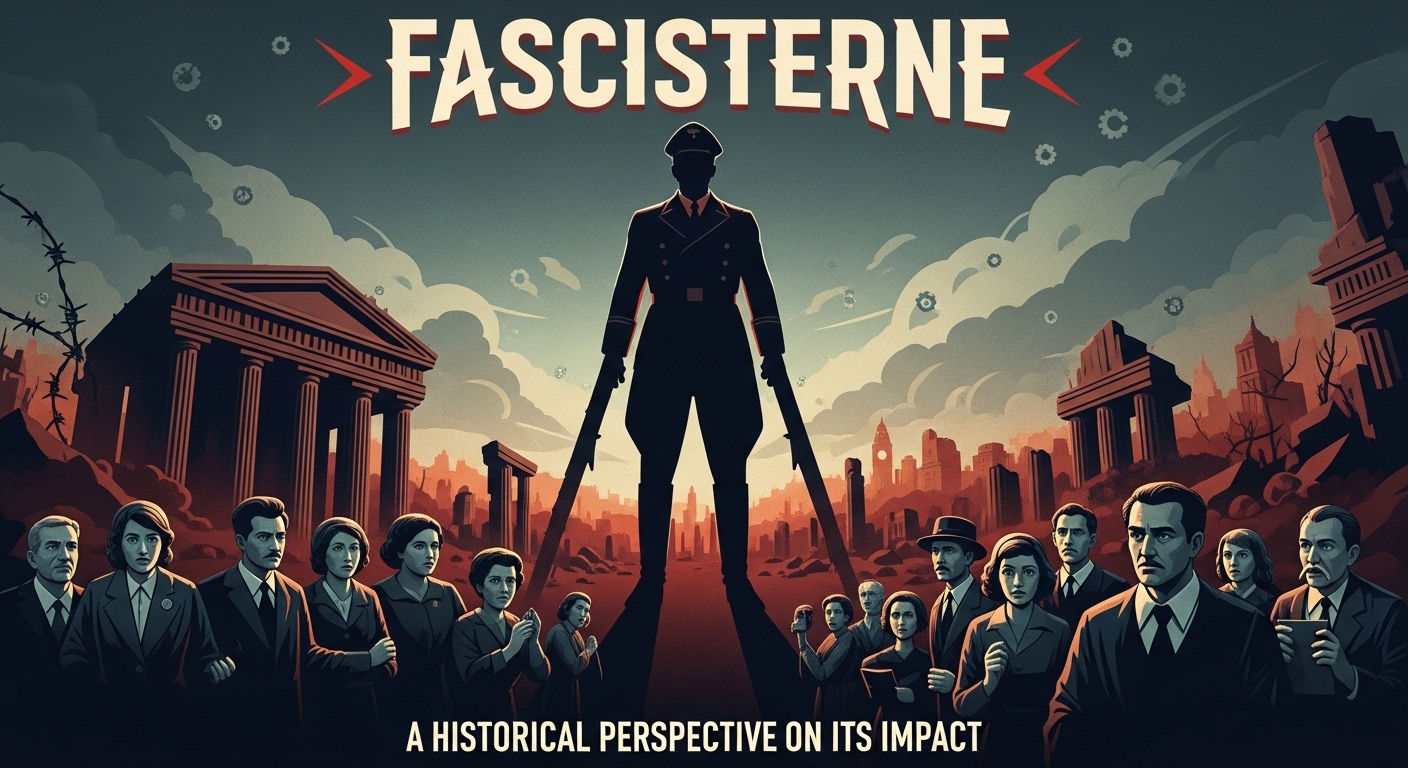

Fascisterne. Just a word, yet it evokes a torrent of emotions and historical reflections. This term encapsulates an ideology that has shaped nations, influenced millions, and left scars on humanity’s collective memory. From the streets of Italy to the battlefields of Europe, fascism rose with fervor in the early 20th century—a force that promised strength but delivered oppression.
Understanding fascism is more than just examining its past; it’s about recognizing its echoes in our present. As we dive into this complex history, we’ll uncover what fueled its rise, who were the key players behind these regimes, and how societies transformed under their rule. We’ll explore not only the devastating consequences during World War II but also how elements of this ideology are surfacing today.
Join me as we unravel the intricate tapestry woven by fascisterne—an exploration that serves as both a reminder and a warning for generations to come.
The Rise of Fascism in Europe
The rise of fascism in Europe emerged from the ashes of World War I. Economic turmoil and societal unrest created fertile ground for radical ideologies. Amidst this chaos, charismatic leaders seized the moment.
In Italy, Benito Mussolini was among the first to embrace fascist principles. He promised national rejuvenation and stability, appealing to a populace desperate for change. His regime emphasized strength through unity, often using propaganda to galvanize support.
Meanwhile, Germany faced its own struggles with hyperinflation and political fragmentation. Adolf Hitler capitalized on these grievances by promoting a vision grounded in nationalism and racial superiority. The Nazi Party’s swift ascent showcased how easily fear could be manipulated into fervor.
Fascism spread across borders like wildfire during this tumultuous period. Countries such as Spain and Portugal saw similar movements take root, each adapting core tenets to local contexts while reinforcing authoritarian rule.
Key Figures and Ideologies of Fascism
Fascism is often associated with several prominent figures who shaped its ideologies. Benito Mussolini, the Italian leader, was one of the most influential architects of fascist thought. His emphasis on nationalism and authoritarian governance set the stage for others to follow.
Adolf Hitler took these ideas further in Germany, intertwining them with notions of racial superiority and anti-Semitism. His vision led to devastating consequences across Europe.
Beyond individual leaders, fascism thrives on key tenets like militarism, collectivism over individuality, and disdain for liberal democracy. These elements create a framework that seeks to unify society under a singular national identity.
The use of propaganda played a crucial role too. It fueled passion among supporters while silencing dissenting voices. This combination made fascist movements particularly potent during times of social unrest and economic instability.
Fascist Regimes and Their Impact on Society
Fascist regimes have left a profound mark on societies throughout history. Their rise often coincided with periods of economic turmoil and social unrest. Leaders capitalized on public discontent, promising stability and national rejuvenation.
Once in power, these governments imposed strict control over various aspects of life. Freedom of speech became a distant memory as dissent was silenced through intimidation and violence. Propaganda filled the airwaves, painting an idealized image of the state while demonizing perceived enemies.
Social structures transformed dramatically under fascism. Education systems were reoriented to promote loyalty to the regime rather than critical thinking or individual rights. Many citizens found their identities intertwined with state ideology, fostering division within communities.
The impact extended beyond politics into culture and art, where creativity was harnessed for nationalist purposes. Fascist influences shaped societal norms that would take generations to dismantle after their fall from power.
World War II and the Defeat of Fascism
World War II marked a pivotal moment in the struggle against fascism. As tensions escalated, totalitarian regimes led by Hitler and Mussolini expanded their influence across Europe. Their ideologies fueled aggression, leading to widespread devastation.
The Allies united against this threat, rallying forces from diverse nations. Battles raged on multiple fronts, with significant turning points like Stalingrad and D-Day reshaping the landscape of war. These confrontations were not just military; they represented a clash of ideals.
As the tide turned, resistance movements emerged within occupied countries. Citizens risked everything to oppose oppressive regimes, embodying courage and resilience against tyranny.
By 1945, the collapse of fascist governments signaled a triumph for democracy. The defeat was not merely about military victory but also underscored humanity’s enduring fight for freedom amid oppression. This era left an indelible mark on global consciousness regarding authoritarian rule and its consequences.
Modern-Day Resurgence of Fascism
In recent years, a disturbing trend has emerged: the resurgence of fascist ideologies across various parts of the world. This revival often cloaks itself in nationalistic rhetoric, exploiting socio-economic insecurities.
Social media platforms have played a significant role in this modern movement. They serve as breeding grounds for extremist ideas, connecting like-minded individuals who might otherwise remain isolated.
Populist leaders are tapping into public discontent by promoting divisive narratives. These messages resonate with those feeling marginalized or threatened by rapid changes in society and culture.
The allure of simplicity amid complexity draws many towards these ideologies. The promise of reclaiming lost glory can be enticing for populations struggling with uncertainty and fear.
Understanding this resurgence requires vigilance. Society must recognize the warning signs to prevent history from repeating itself once more.
How History Can Inform Us About the Dangers of Fascism Today
History serves as a mirror, reflecting the consequences of unchecked ideologies like fascism. It reminds us that authoritarian regimes can rise from seemingly innocuous beginnings.
By analyzing past events, we see how fear and division fueled extremist movements. Propaganda played a pivotal role in shaping public perception, often drowning out rational discourse. Today’s digital landscape mirrors those tactics, amplifying divisive messages at alarming speeds.
Furthermore, understanding the societal impacts is crucial. Fascist regimes have systematically suppressed dissent and marginalized vulnerable communities. This historical context helps us recognize similar patterns emerging in modern politics.
The lessons gleaned from our past should ignite vigilance and critical thinking among citizens today. By remaining aware of these dangers, we can better advocate for democracy and human rights in an increasingly polarized world.
Conclusion
Fascisterne has left an indelible mark on history, shaping societies and influencing political ideologies across the globe. By exploring its origins and key figures, we can gain insight into how such movements gained traction in Europe during turbulent times. The rise of fascism brought about significant societal changes, often marked by oppression and violence.
The aftermath of World War II saw a concerted effort to dismantle fascist regimes. However, the modern resurgence of similar ideologies reminds us that the lessons from history are vital today. Understanding fascisterne’s impact allows society to recognize warning signs early on.
As we navigate our current political landscape, reflecting on these elements is crucial for safeguarding democratic values and promoting tolerance. History serves as both a guide and a cautionary tale against the dangers of unchecked power and extremist ideologies striving for relevance once more. Awareness empowers individuals to challenge hatred wherever it arises—ensuring that past mistakes do not repeat themselves.