
When it comes to sewing, the type of stitch you choose can make all the difference in your project. With so many Nahttypen available, from simple hand stitches to intricate machine options, selecting the right one might feel overwhelming. Whether you’re mending a tear or creating a beautiful garment from scratch, understanding these various stitch types is essential for achieving professional-looking results. Let’s dive into the world of stitching and uncover which methods will elevate your craftsmanship!
Hand sewing stitches
Hand sewing stitches offer a personal touch to your projects. They allow for precision and control that machine stitching often lacks.
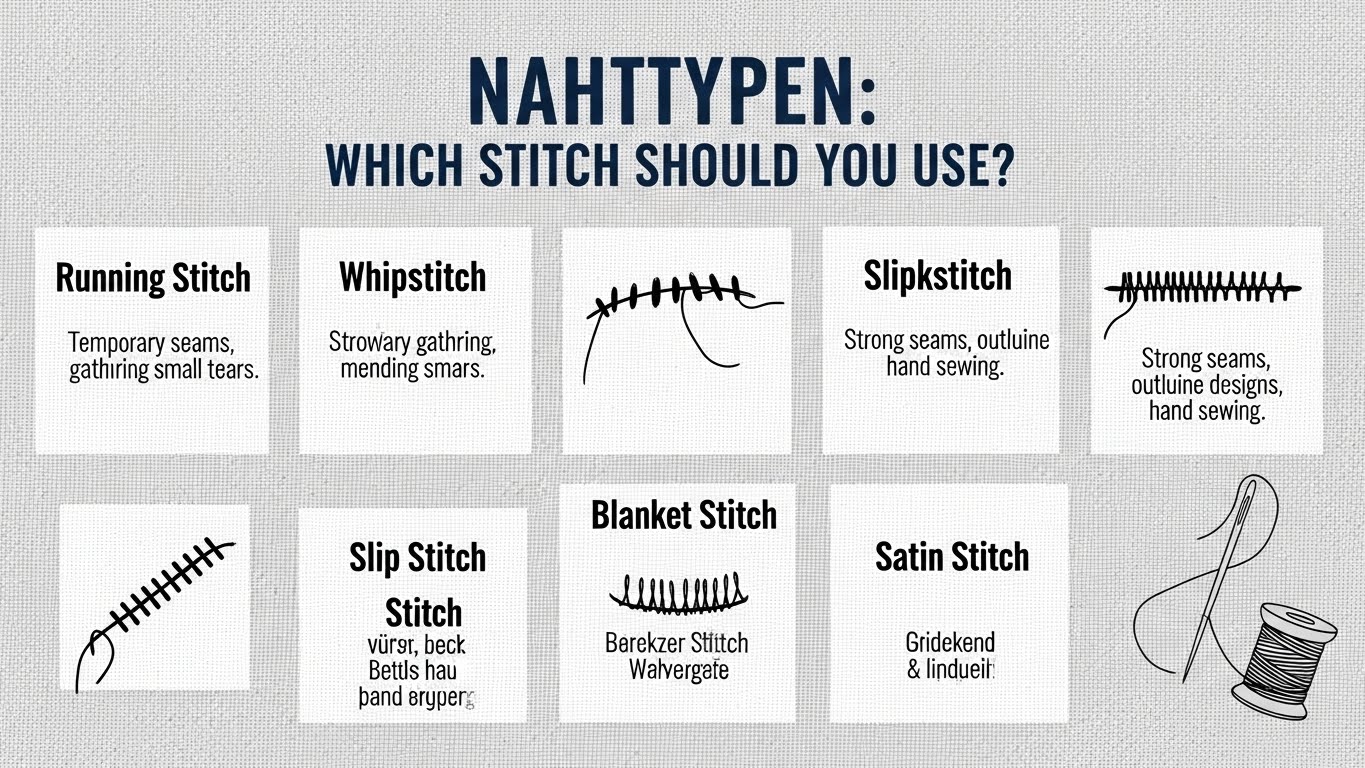
The most common stitch is the running stitch. It’s simple yet effective, perfect for seams and hems.
Next up is the backstitch, known for its strength. This stitch creates durability, making it ideal for areas of high tension.
For delicate fabrics, consider using a slip stitch or blind hem. These stitches are nearly invisible when finished, providing a clean look on garments.
Don’t overlook decorative options like the whip stitch or herringbone stitch. These can add flair to your work while serving functional purposes too.
Each hand sewing technique provides unique benefits tailored to specific needs in your crafting journey.
Machine sewing stitches
Machine sewing stitches are a game changer for many crafters and seamstresses. They offer speed and precision that hand sewing simply cannot match.
There are various types of machine stitches, each designed for specific tasks. The straight stitch is the most common; it’s perfect for seams and hems. You’ll find this stitch in almost every project you undertake.
Zigzag stitches add flexibility to your fabric edges, helping prevent fraying while allowing for stretch. This is particularly useful when working with knit fabrics.
For added flair, decorative stitches provide unique patterns and textures to your creations. These can elevate a simple garment into something truly special.
Understanding the capabilities of your sewing machine can open up new possibilities. Experimenting with different settings will help you master these techniques effectively.
Decorative stitches
Decorative stitches add flair to your sewing projects. They transform ordinary seams into eye-catching features. With a variety of designs, they can enhance both hand and machine-made items.
Think about using scallops for a whimsical touch or zigzags for a modern look. Embroidery stitches can create beautiful patterns, making them perfect for embellishing garments or home decor.
Machine embroidery offers precision and consistency, while hand-stitched decorative options bring warmth and individuality. Each stitch tells a story, reflecting your creativity.
Experiment with thread colors to make the design pop. Mixing textures can also elevate the aesthetic appeal of your work. Don’t shy away from combining different types of decorative stitches in one project; this adds depth and interest.
Whether it’s outlining pockets on jeans or accenting quilt squares, decorative stitches offer endless possibilities to personalize any creation.
Choosing the right stitch for your project
Choosing the right stitch can make or break your project. It’s essential to consider the fabric type first. Lightweight fabrics often benefit from delicate stitches, while heavier materials may require sturdier options.
Think about the purpose of your item as well. For garments, a stretch stitch is ideal if you want flexibility. For home decor projects like curtains or pillowcases, a straight stitch will provide durability and neatness.
Don’t overlook aesthetics either! Decorative stitches can transform a simple seam into a design feature. They add character and flair, enhancing the overall look.
Test out different stitches on scrap fabric before committing to your main project. This practice ensures that you’re happy with both appearance and functionality without risking your final piece.
Tips for successful stitching
To achieve successful stitching, start with quality materials. Investing in good fabric and thread makes a significant difference.
Proper preparation is crucial. Always pre-wash your fabric to prevent shrinkage after your project is complete. Ironing it beforehand ensures smooth application.
Maintain even tension while sewing. This helps avoid puckering or loose stitches that can ruin the final look of your work.
Take time to practice different techniques before tackling complex projects. Familiarity will build your confidence and skill level over time.
Don’t be afraid to use tools like pins or clips to hold pieces together securely during stitching. They provide stability, especially on slippery fabrics.
Remember that patience is key. Rushing can lead to mistakes, so take breaks when needed to maintain focus and enjoyment throughout the process.
Conclusion
Choosing the right stitch can make all the difference in your sewing projects. From hand sewing to machine techniques, every type of stitch has its unique purpose and benefits. Understanding these Nahttypen ensures that you select the most appropriate one for your fabric and project needs.
Whether you’re adding decorative elements or simply reinforcing seams, taking time to consider your options will enhance both the appearance and durability of your work. Remember to practice different stitches before committing them to important pieces. With patience, creativity, and a clear understanding of Nahttypen, you’ll elevate your sewing skills significantly.
Embrace the journey of exploration in stitching—it’s an essential part of crafting beautiful textiles!