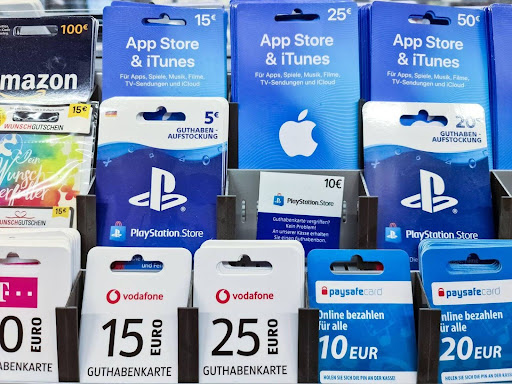

Gift cards have become one of the most convenient and widely used payment options in today’s digital economy. Whether for birthdays, holidays, gaming, shopping, or subscriptions, they offer flexibility and ease of use. Many people prefer to buy gift cards because they eliminate the guesswork of choosing the perfect present. At the same time, businesses promote gift cards as an easy way to attract customers and boost sales.
However, as more consumers buy gift cards online and offline, concerns about safety and fraud have grown. While gift cards themselves are legitimate financial products, scammers often exploit them for fraudulent schemes. Understanding how gift cards work and how scams operate is the first step toward protecting yourself.
How Gift Cards Actually Work
A gift card is essentially a prepaid stored-value card issued by a retailer, brand, or payment network. When someone purchases a gift card, money is loaded onto it. The recipient can then use that balance to make purchases until the funds run out.
There are two main types of gift cards: closed-loop cards, which are limited to a specific brand or retailer, and open-loop cards, which can be used at multiple merchants and often operate on major payment networks. Because they function like cash once activated, anyone who gains access to the card number and PIN can use the balance. This “cash-like” feature is both their strength and their vulnerability.
Are Gift Cards Safe to Use?
Yes, gift cards are generally safe when purchased from reputable sources and used responsibly. Major retailers and payment networks use security systems to protect card activation and balance tracking. When you buy directly from trusted stores or official websites, the risk is significantly reduced.
The real danger lies not in the product itself, but in how scammers manipulate people into handing over gift card information. Fraudsters target emotions—fear, urgency, excitement, or greed—to trick victims into sharing card details. With awareness and caution, gift cards remain a safe and practical payment method.
Why Scammers Prefer Gift Cards
Gift cards are attractive to scammers because they are difficult to trace and easy to redeem. Unlike bank transfers or credit card transactions, gift card balances can be drained quickly without leaving clear trails. Once a scammer obtains the card number and PIN, they can immediately use or resell it.
Another reason scammers prefer gift cards is speed. They often demand payment in gift cards because funds become instantly accessible. There is usually no way to reverse a transaction once the code has been shared. This makes education and prevention critical.
Common Gift Card Scams to Watch Out For
One of the most common scams involves impersonation. A scammer may pretend to be a government official, utility company representative, or even a family member in distress. They claim you owe money or must act urgently, and then demand payment in gift cards.
Another widespread scheme is the “prize” or “lottery” scam. Victims are told they’ve won a reward but must first pay fees using gift cards. Online marketplace scams also occur, where fraudsters request gift cards as payment for items or services. Recognizing these patterns can prevent costly mistakes.
The Fake Activation and Tampering Scam
In physical stores, scammers sometimes tamper with gift cards displayed on racks. They may secretly record the card number and PIN before resealing the packaging. When a customer buys and activates the card, the scammer monitors the balance and quickly redeems it.
To avoid this, inspect packaging carefully before purchasing. Look for signs of scratching, resealing, or exposed PIN codes. If anything seems suspicious, choose a different card or notify store staff immediately.
Online Purchase Risks and How to Minimize Them
Buying gift cards online is convenient, but it also comes with risks if you use unverified websites. Fraudulent platforms may sell invalid or already-used codes. Others might steal your payment information entirely.
Always purchase from official brand websites, recognized retailers, or well-known digital marketplaces. Check for secure website indicators such as HTTPS and verified payment systems. Avoid deals that seem too good to be true, especially if they promise unusually large discounts.
Red Flags That Signal a Scam
There are several warning signs that should immediately raise suspicion. If someone insists on payment only through gift cards, it is almost certainly a scam. Legitimate government agencies, banks, and utility companies do not request payment this way.
Urgency is another red flag. Scammers create pressure by threatening arrest, service disconnection, or missed opportunities. They may also ask you to keep the transaction secret. Any request to share gift card codes over the phone, email, or text message should be treated as fraudulent.
Protecting Your Gift Card Information
Treat gift cards like cash. Never share the card number or PIN with anyone you do not fully trust. If you’re giving a gift card as a present, hand it directly to the recipient instead of sending photos of the code.
Store physical cards in a safe place and delete digital emails containing codes after redemption. If possible, register the gift card on the issuer’s official website. Some companies allow balance tracking and offer limited protection if the card is lost.
What to Do If You’re Scammed
If you suspect fraud, act immediately. Contact the gift card issuer and report the issue. Provide the card number, purchase receipt, and any transaction details. While recovery is not guaranteed, quick action increases your chances.
Additionally, report the scam to local consumer protection agencies or cybercrime authorities. Reporting helps authorities track patterns and warn others. Even if funds cannot be recovered, your report may prevent someone else from becoming a victim.
Teaching Teens and Seniors About Gift Card Safety
Scammers often target vulnerable groups, including teenagers and older adults. Teens may be drawn into online gaming scams, while seniors may fall victim to impersonation schemes. Education plays a crucial role in prevention.
Parents and caregivers should openly discuss common fraud tactics. Encourage skepticism toward unexpected messages or requests for payment. Remind loved ones that legitimate organizations will never demand gift card payments. Open communication reduces risk significantly.
Safe Ways to Give and Receive Gift Cards
When giving a gift card, purchase it close to the time you intend to present it. Keep the receipt until the recipient confirms the balance is intact. Consider buying digital cards directly from official websites to avoid physical tampering risks.
When receiving a gift card, check the balance as soon as possible. If there’s a problem, report it immediately with proof of purchase. Acting quickly can make a major difference in resolving issues.
The Role of Retailers and Payment Networks in Security
Retailers and payment networks have improved security measures in recent years. Activation systems, tamper-resistant packaging, and transaction monitoring help reduce fraud. Some companies use advanced fraud detection tools to identify suspicious redemption patterns.
Despite these efforts, consumer awareness remains the strongest defense. Technology can reduce risk, but informed users ultimately determine whether scams succeed or fail. A cautious mindset is your best protection.
Why Awareness Is More Powerful Than Fear
It’s important not to let fear discourage you from using gift cards altogether. They remain one of the safest and most convenient gifting options when used responsibly. The key is understanding how scams operate and recognizing warning signs early.
Instead of avoiding gift cards, focus on safe purchasing habits, secure storage, and never sharing codes under pressure. Awareness transforms gift cards from a potential risk into a reliable financial tool.
Final Thoughts on Staying Safe with Gift Cards
So, are gift cards safe? The answer is yes—when purchased from trusted sources and handled with care. Like cash, they require responsibility and attention. Most fraud occurs not because the cards are unsafe, but because scammers manipulate victims into giving away information voluntarily.