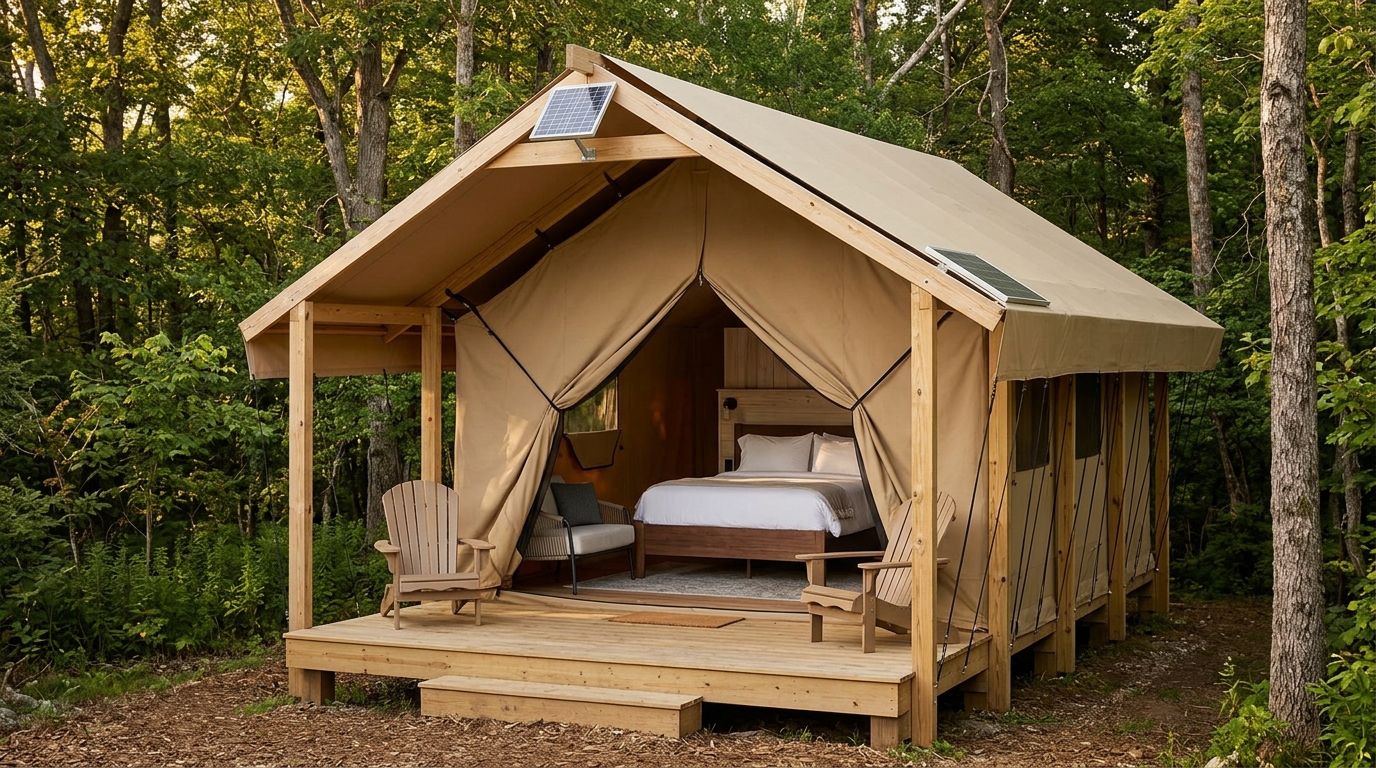

Imagine waking up to the soothing sounds of nature, wrapped in the luxury of a plush bed and surrounded by breathtaking landscapes. This is not just a dream; it’s the essence of glamping. Glamping—short for glamorous camping—has taken the travel world by storm. It offers an enticing blend of adventure and comfort, attracting those who seek unique experiences without sacrificing elegance.
As people increasingly prioritize sustainability, eco-friendly travel has emerged as a powerful force within the tourism industry. Glamping embodies this trend perfectly, marrying indulgence with environmental consciousness. But what does this mean for local economies? How are communities benefiting from this booming sector? Dive into the glamping economy—a realm where luxury meets sustainability—and discover how it’s driving economic growth while preserving our planet’s beauty.
The Rise of Eco-Friendly Travel and its Impact on the Tourism Industry
The travel industry is undergoing a significant transformation. Eco-friendly travel has emerged as a front-runner in this evolution, capturing the attention of both travelers and businesses alike.
More people are seeking sustainable alternatives to traditional tourism. This shift reflects growing awareness about environmental issues and a desire to minimize their carbon footprint while exploring the world.
As demand for eco-conscious options rises, operators are adapting swiftly. From energy-efficient accommodations to waste-reducing practices, companies harness innovative solutions that cater to environmentally aware travelers.
This trend fosters collaboration between local communities and tourists. Sustainable initiatives often involve community engagement, enhancing cultural experiences while supporting local economies.
In turn, destinations embracing sustainability witness economic benefits through increased foot traffic and longer stays. The rise of eco-friendly travel reshapes not just individual choices but also the entire landscape of the tourism sector.
How Glamping Combines Luxury and Sustainability
Glamping masterfully intertwines luxury with sustainability, creating a unique travel experience. Imagine waking up in a plush bed surrounded by nature’s beauty.
These upscale accommodations often utilize eco-friendly materials. Cabins and tents made from sustainable resources minimize environmental impact while providing comfort.
Solar panels power amenities, reducing reliance on conventional electricity. Water conservation features ensure that guests can enjoy their stay without guilt.
Local artisans frequently craft the decor, showcasing regional talent and promoting community economies. This connection fosters a sense of authenticity that standard hotels may lack.
Guests indulge in gourmet meals prepared using organic ingredients sourced from nearby farms. It’s an immersive way to appreciate local food culture while supporting sustainable practices.
This blend allows travelers to escape the hustle without compromising their values, making glamping an appealing choice for ecologically conscious adventurers seeking indulgence amidst nature.
Economic Benefits of Glamping for Local Communities
Glamping offers a fresh source of income for local communities. The unique accommodations attract diverse travelers who seek luxury in nature. This influx boosts local economies, from shops to restaurants.
Small businesses thrive as glampers explore their surroundings. They often spend on dining, guided tours, and artisanal products. This creates jobs and supports the local workforce.
Moreover, glamping sites often prioritize partnerships with nearby farmers and craftsmen. By sourcing locally, they enhance community ties while promoting sustainable practices.
In areas where traditional tourism may fluctuate seasonally, glamping provides year-round opportunities. It diversifies the economy by appealing to eco-conscious visitors looking for memorable experiences amidst nature’s beauty.
As these ventures grow in popularity, they contribute significantly to infrastructure development too. Improved roads and facilities benefit both tourists and residents alike—creating a win-win scenario that enriches everyone involved.
Case Studies: Successful Glamping Businesses Driving Economic Growth
One notable example is Under Canvas, which offers luxurious tent accommodations near national parks. Their commitment to eco-friendly practices attracts adventurous travelers while boosting local economies through job creation and partnerships with nearby businesses.
Another success story is the Treehotel in Sweden. Nestled among trees, their unique treehouse designs combine luxury with environmental consciousness. This innovative approach not only draws visitors from around the globe but also stimulates local artisans and craftsmen involved in construction.
In the UK, Glamping Hub connects travelers with distinctive glamping sites. By promoting small operators, they empower local entrepreneurs and foster a sense of community within rural areas. These platforms help raise awareness about sustainable tourism while generating income for those who embrace it.
EcoCamp Patagonia demonstrates how sustainable design can enhance guest experiences while preserving natural surroundings. Its focus on renewable energy sources positions it as a leader in responsible travel initiatives that support regional economic growth.
Challenges and Opportunities in the Glamping Economy
The glamping economy is not without its hurdles. One significant challenge lies in land use regulations. Obtaining permits for luxurious tent setups or eco-friendly cabins can be a lengthy, bureaucratic process.
Additionally, competition is heating up. As more entrepreneurs enter the market, standing out becomes essential. Unique offerings and personalized experiences are crucial to attract discerning travelers looking for something beyond the ordinary.
Yet with challenges come opportunities. The growing demand for sustainable travel opens doors for innovative solutions. Businesses that prioritize environmental stewardship can tap into a lucrative customer base eager to support eco-conscious brands.
Technology also offers exciting prospects within this sector. From online booking platforms to social media marketing, leveraging digital tools can amplify visibility and streamline operations.
By navigating these complexities wisely, glamping businesses have the potential to thrive while contributing positively to local economies and ecosystems alike.
Conclusion: The Future of Glamping and Its Potential for Sustainable Economic Development
The glamping economy is poised for significant growth as travelers increasingly seek experiences that blend comfort with a connection to nature. This trend aligns perfectly with the rising demand for eco-friendly travel options, which tap into a growing awareness of sustainability.
As more people turn to glamping, local communities stand to benefit economically. These unique accommodations create jobs and stimulate local businesses while encouraging conservation efforts and responsible tourism practices. The marriage of luxury and environmental consciousness not only attracts diverse demographics but also fosters deeper appreciation for natural landscapes.
Successful case studies from around the globe showcase how innovative glamping operations can thrive by focusing on eco-friendly practices while delivering exceptional guest experiences. However, challenges such as regulatory hurdles and market competition remain.
Looking ahead, the potential for sustainable economic development through glamping appears bright. As this sector continues to evolve, it will undoubtedly contribute positively to both environmental preservation and community enrichment. Embracing these opportunities could lead us toward a future where luxury travel coexists harmoniously with our planet’s well-being.